
Gitea Registry Flaw & 2026 Kubernetes Security Strategies
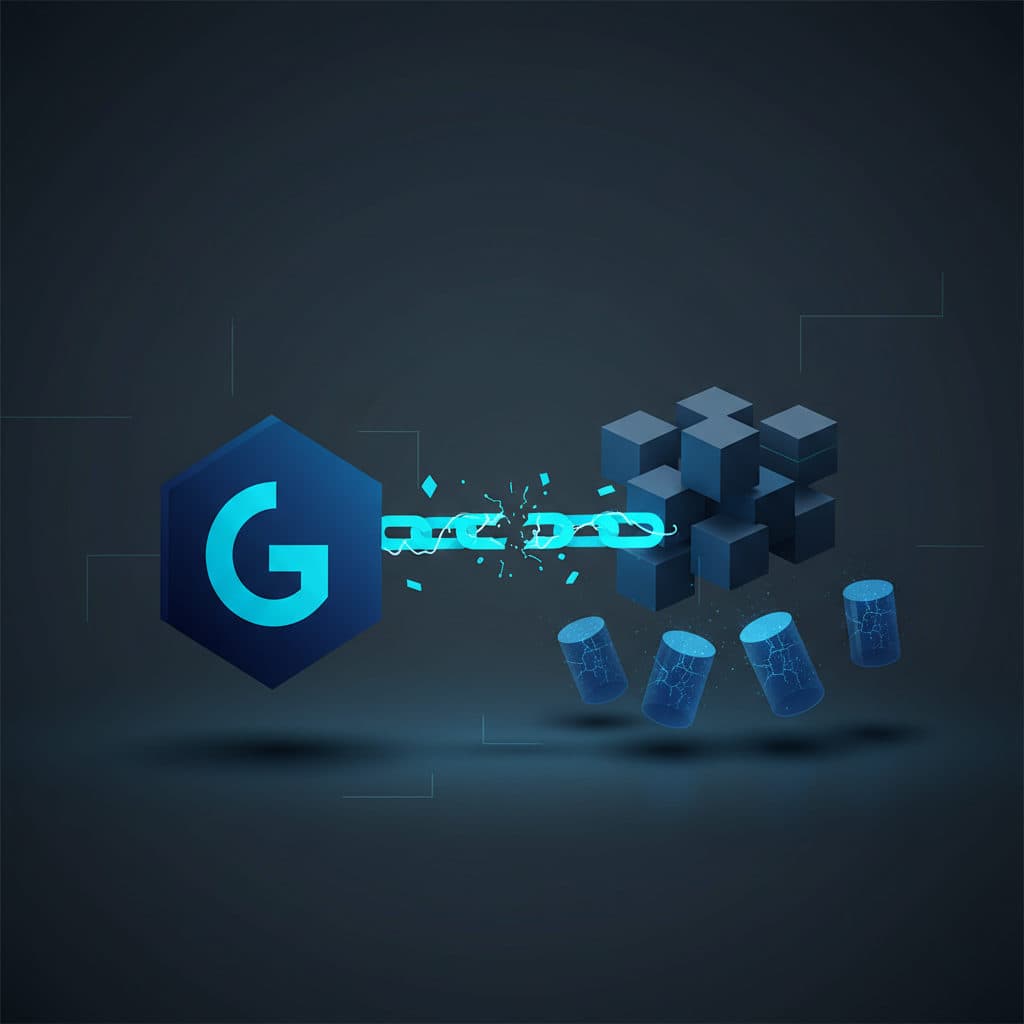
This month, the open-source Gitea Git service exposed a significant container security vulnerability, underscoring persistent challenges in managing private container registries. A four-year-old access control flaw (CVE-2026-27771) within Gitea's built-in container registry allowed unauthenticated users to pull images marked as private [2]. This could have exposed sensitive data such as source code, credentials, and infrastructure details. AI-pentesting firm NoScope estimated that over 30,000 deployments were affected before the patch in Gitea 1.26.2 was released last week. Operators are strongly advised to upgrade immediately or implement strict authentication enforcement on all registry content [2].
While Gitea's issue dominated the recent landscape, it serves as a stark reminder of the foundational security practices that remain critical for Kubernetes and container environments. The evolving threat model for 2026 demands a multi-layered approach that combines rigorous image hygiene, supply-chain visibility, strict identity controls, and continuous threat detection [1].
Rethinking Image Scanning and Remediation
Traditional container scanners often generate an overwhelming number of CVE alerts. This noise can desensitize security and development teams, making it difficult to prioritize truly exploitable issues. Modern tools, like the open-source DockSec, are now leveraging AI to deduplicate alerts, provide plain-English remediation steps, and even suggest exact Dockerfile fixes [3]. This shift allows developers to focus on patching the critical vulnerabilities without being buried under a mountain of non-actionable findings. The goal is to move beyond mere vulnerability enumeration to intelligent, actionable remediation.
Securing the Supply Chain from Build to Runtime
Attackers are increasingly targeting trusted build systems, CI/CD pipelines, and management tools as high-value targets [1]. This means that every component of the container supply chain—from base images to Helm charts—must be treated with the same level of scrutiny. Organizations need to implement anomaly detection and assumed-breach monitoring to identify unexpected pushes to registries or token exfiltration attempts within the CI/CD pipeline [1].
Identity and Access Management
Least-privilege policies for Kubernetes service accounts are non-negotiable. Regular rotation of Kubernetes tokens and robust network segmentation remain essential controls to limit lateral movement in the event of a compromise [1]. Continuous auditing of permissions, aligned with guidance from CISA and international regulators, ensures that access policies are enforced and remain current [1].
Patching and Automated Scanning
Regular patching of host OS kernels and the Kubernetes control plane is fundamental to reducing the attack surface. This must be coupled with automated image re-scanning after every dependency update [1]. This ensures that newly introduced vulnerabilities or changes in dependencies are immediately identified and addressed, preventing the expansion of the attack surface that often results from outdated management utilities.
Advanced Threat Detection and Containment
Integrating AI-driven containment frameworks is becoming increasingly important for managing agentic workloads within pods. Solutions like Microsoft's Execution Container for AI agents help isolate autonomous processes, preventing privilege creep and limiting the impact of a compromise [1]. This proactive containment strategy adds another layer of defense, particularly as AI-driven applications become more prevalent in containerized environments.
By layering AI-assisted remediation, implementing stringent supply-chain integrity checks, enforcing strict least-privilege controls, and deploying real-time anomaly monitoring, enterprises can build more resilient Kubernetes environments capable of withstanding the evolving threat landscape of 2026 [1].
To mitigate immediate risks, ensure all Gitea deployments are updated to version 1.26.2 or later, and enforce authenticated access to all container registries, regardless of their 'private' status [2].